Change of Use Planning
The legal process of converting a property from one planning category to another — the bridge between what a building was and what it could be. We design your conversion, guide it through planning, and build it.
When your designer is also your builder, there are no surprises — just a clear path from vision to reality.
What is Change of Use?
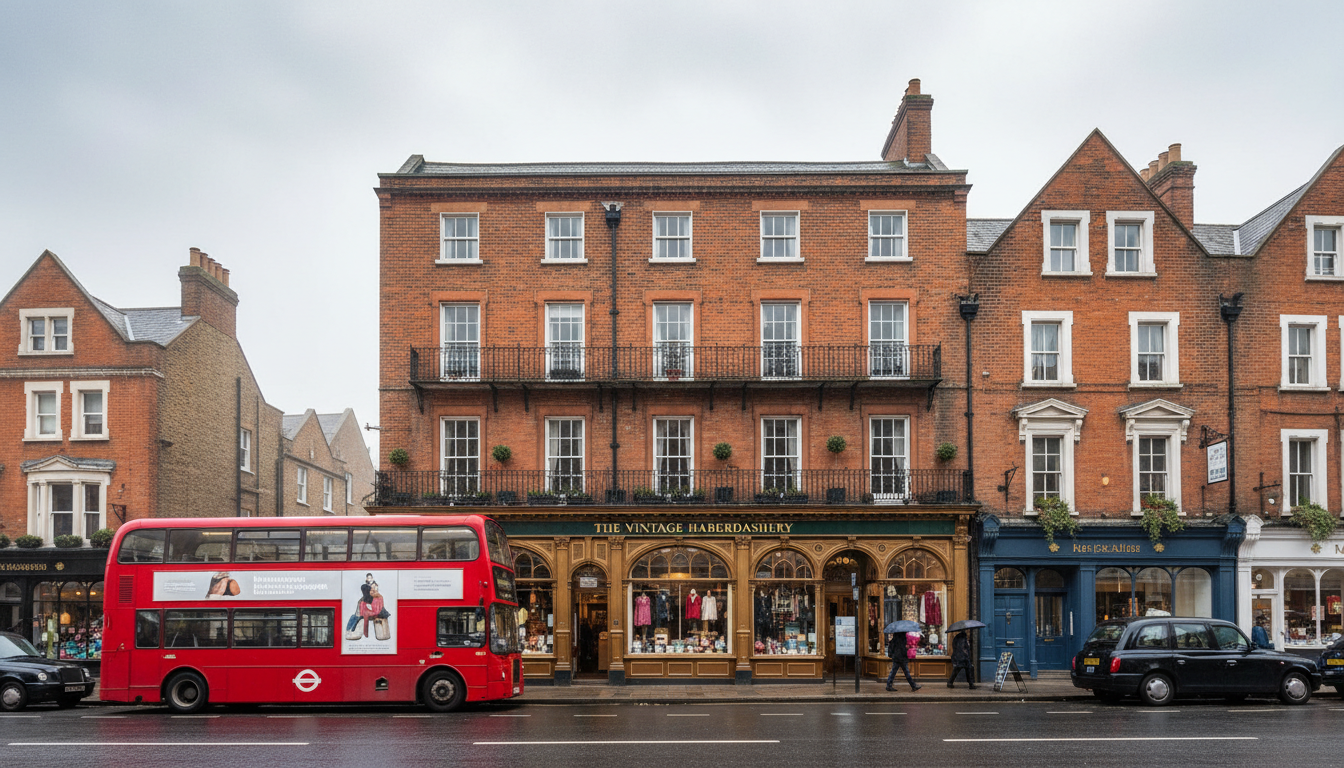
Imagine you've found the perfect building — an old shop on a quiet street, a former office with character, or a warehouse with endless potential. You can see exactly what it could become: a beautiful home, stylish flats, or a thriving short-term let. Change of use is simply the legal process of converting a property from one planning category into another. It's the bridge between what a building was and what it could be.
Understanding Use Classes
In England and Wales, properties are categorised into Use Classes defined by the Town and Country Planning (Use Classes) Order 1987 (as amended). Changing between certain classes requires planning permission, while others can happen under Permitted Development rights.
Dwellinghouses
Standard residential homes for families or up to 6 people living as a household.
HMOs
Houses in Multiple Occupation with 3-6 unrelated individuals sharing facilities.
Large HMOs
HMOs with 7+ occupants require specific planning permission.
Commercial
Shops, restaurants, offices, gyms, health centres, nurseries.
Learning & Non-Residential
Schools, museums, libraries, public halls, churches.
Local Community
Small shops, community halls, outdoor recreation areas.
Why Design & Build Improves Your Approval Chances
Most applicants hire a designer for drawings, then find a separate builder — and wonder why their application struggles. Our integrated approach achieves better results.
Professional Design Drawings
Clear, detailed plans that planning officers can assess with confidence.
Compliance Built In
Building regulations and planning requirements considered from the very first sketch.
Design & Build Continuity
The team that designs your conversion understands how it will be built — no disconnect.
98% Approval Rate
Our integrated approach consistently delivers successful planning outcomes.
When Do You Need Planning Permission?
Not all changes of use require a full planning application. Some conversions are allowed under Permitted Development Rights. We assess your specific situation and advise on the fastest, most cost-effective route.
Often Permitted Development
- Office (Class E) to residential (C3)
- Retail (Class E) to residential (C3)
- Light industrial to residential
- Agricultural buildings to homes
- Some C3 to C4 HMO conversions
Usually Needs Full Planning
- Large HMOs (7+ occupants)
- Residential to commercial
- Listed buildings (any change)
- Conservation area restrictions
- Article 4 direction areas
The Prior Approval Process
Even when a change qualifies as Permitted Development, you often need Prior Approval from your local planning authority. This lighter-touch process considers specific matters like:
This is where professional drawings matter most. Prior Approval applications are often rejected because the submitted plans don't adequately demonstrate natural light compliance or noise mitigation. Our detailed interior layouts, window schedules, and acoustic specifications give planning officers confidence.
Article 4 Directions
Many local authorities have introduced Article 4 Directions to remove Permitted Development rights in specific areas. This is common for HMO conversions in university towns or office-to-residential changes in commercial centres.
Always check with your local council before assuming PD rights apply — or better yet, let us check for you as part of our free consultation.
Common Change of Use Projects We Handle
From office-to-flats conversions to listed building restorations, we've delivered 500+ successful change of use projects across the UK.
Move your project forward with a team trusted with 500+ property projects across the UK.
Frequently Asked Questions
Common questions about change of use planning.
Change of use is the legal process of converting a property from one planning use class to another — for example, turning a shop (Class E) into a home (C3). Some changes are allowed under Permitted Development rights, while others require a full planning application.
No. Some changes between use classes are permitted development and don't need full planning permission, though you may still need Prior Approval for matters like transport, noise, and natural light. We assess your specific situation and advise on the fastest, most cost-effective route.
An Article 4 Direction removes Permitted Development rights in a specific area, meaning changes of use that would normally be allowed now require a full planning application. These are common in university towns for HMO conversions and in commercial centres for office-to-residential changes.
Prior Approval is a lighter-touch process used when a change of use qualifies as Permitted Development. The council assesses specific matters such as transport impact, contamination, flooding, noise, and natural light. Many Prior Approval applications are rejected because the submitted plans don't adequately demonstrate compliance — which is why professional drawings matter.
Yes. Office-to-residential and retail-to-residential conversions are among the most common projects we handle. We assess the building, explore the planning route (Permitted Development or full application), and prepare the drawings needed to create quality living spaces.
A full planning application typically takes 8-13 weeks for a decision. Prior Approval applications are usually faster, often 4-8 weeks. We'll advise on the expected timeline for your specific project during your free consultation.
Ready to Start Your Change of Use Project?
Book a free consultation to discuss your property. We'll assess the planning route, provide a cost estimate, and explain how our design & build approach can maximise your chances of approval.


